
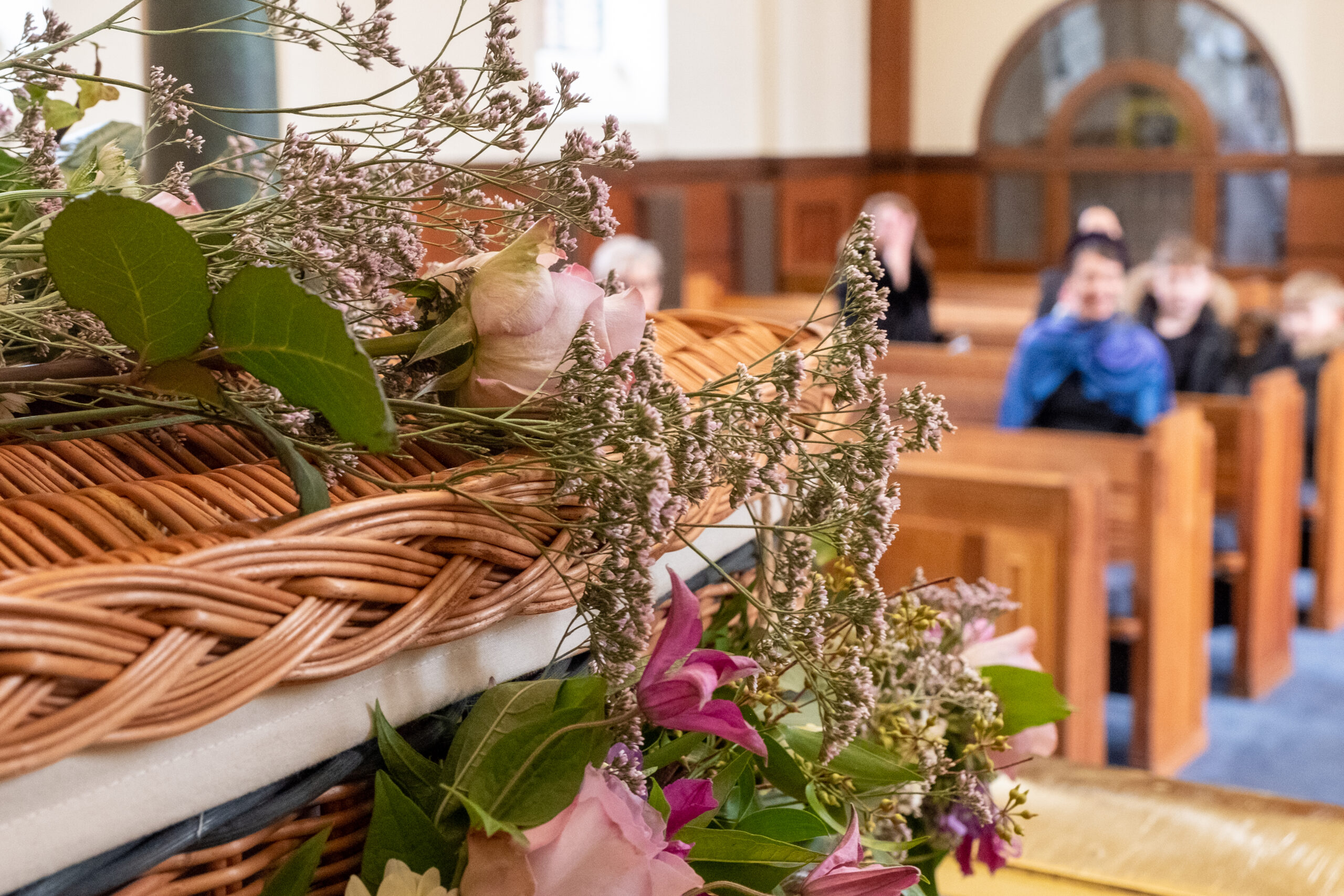
What have we learnt, reflections of funeral ceremonies during the Coronavius Pandemaic ?
The following is some of what I exprienced during the 2019 / 20 / 21 Coronavius pandemic, these were some of my reflections, in addition I refrenced that the repercussions when experiencing the death of a loved one during the isolating nature of the pandemic were trememdous and would be felt for many years to come and this has been true, people need people, people need to share, pain and joy, they need the physical support of presence and the need to talk about those they have loved and lost, this is what I wrote at this time.
As I presented a funeral in March 2019, I watched a daughter break her heart for the loss of her wonderful father, she sobbed and sobbed and no one could console her, this was heartrending, immensely painful and I still see this lady in my mind’s eye now.
I have watched smaller congregations (maximum of 30 people) being segregated by physical distance and face mask, this meant that some families had to choose who could and could not attend the ceremony, and this has been for some, a secondary grief.
One gentleman I spoke to, said he would never attend a funeral again, he would wait in the grounds to pay his last respects, so affected was he by what should have been a cathartic ceremony to celebrate his wife’s life.
Rituals and symbolisms are an important part of a rite of passage and not being able to sing, to carry your loved ones, and when you present a tribute to a congregation about the person you love, and that congregation can only present half of their face, it’s impossible to read expressions, when you are talking of, for example your wife, a mum / grandmother / sister / friend there is no initial feedback therefore the ceremony is not the cathartic experience you were looking for.
I came across a gentleman who was very angry, his father had been diagnosed with cancer, and over many years, he had many invasive treatments, finally he was prescribed palliative care and he was latterly diagnosed with Covid 19, and it was Covid 19 which went on his death certificate; his son did not want his father to become statistic, he was angry, in his mind his father had died from the illness which he courageously and bravely fought for years.
Your loved one becoming a statistic generalises something which is acutely personal to you and your family
Timings in some crematoriums were reduced, due to high demand, 20 minute ceremonies to represent a lifetime, in these circumstances no one could prevent that feeling of being a part of a conveyer belt culture, where possible all arrangements were taking place over the telephone, no viewing the deceased, no cathartic meeting with the clergy, humanist or celebrant, no wakes, it took away the human touch, for an industry who prides itself in saying yes, it now had to say no, difficult for all concerned.
After the ceremony some have returned home, in immense pain and grief, many have found themselves alone, only to be able to talk to others through a device or telephone, often returning to an environment in which their loved one’s died, an environment in which they had to manage alone.
All this and more has had one outcome, many people’s grief became disenfranchised, and therefore people struggled to effectively start the healing process.